Pacific Justice & Reconciliation Center
A faith based & interfaith Peace and Justice Advocacy and Education initiative. 501(c)(3) (Initiated by the Hawaii Council of Churches 1988, as the Hawaii Ecumenical Coalition on Tourism) Guided by Aloha is Peace, Hawaii Declaration on Tourism, The 2000 UN Declaration on Creating a Culture of Peace and Nonviolence for the Children of the World, Hawaii Apologies and Reconciliation Resolutions.
Native Hawaiian Church
The purpose of the Native Hawaiian Church is to promote, protect, and preserve historical and contemporary indigenous Native Hawaiian religious and cultural rights, traditions, and practices. These practices are inclusive of healing traditions. The church also aims to foster understanding, reconciliation, and affirm life, health, and wellness, peace and nonviolence, sovereignty, and religious freedom.
This purpose is expressed in the saying by Kamehameha the III: “ʻUa mau ke ea o ka aina I ka pono” or “the life of the land is perpetuated in righteousness.”
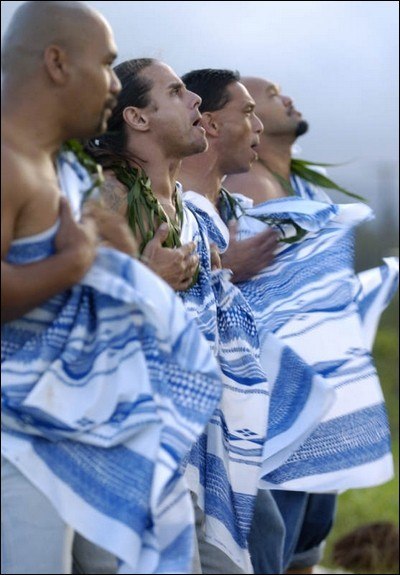
In Loving Memory of Haaheo Guanson
Contact
Dr. Kahu Kaleo Patterson
President & Consultant
(808) 330-3769
[email protected]
Lupua Mora
Vice President, Operations
(808) 765-6406
[email protected]
Monika Jost
Communications
(808) 385-5858
[email protected]
Location
PJRC OFFICE:
Pacific Justice & Reconciliation Center
1617 South Beretania St.
Suite 607
Honolulu, 96826
PJRC MAIL:
Pacific Justice & Reconciliation Center
P.O. BOX 1354
Waianae, HI 96792
Aloha Is Peace!
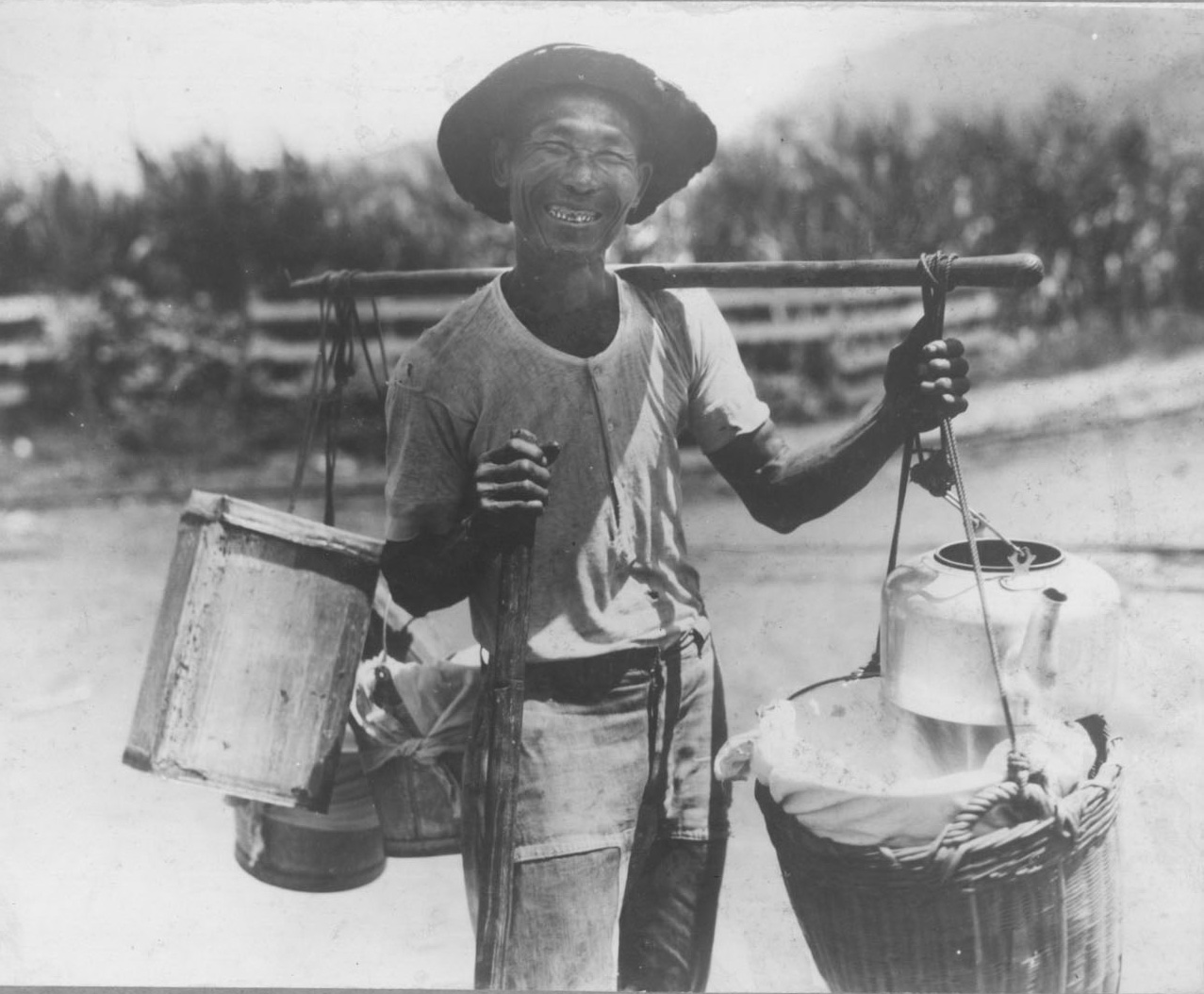
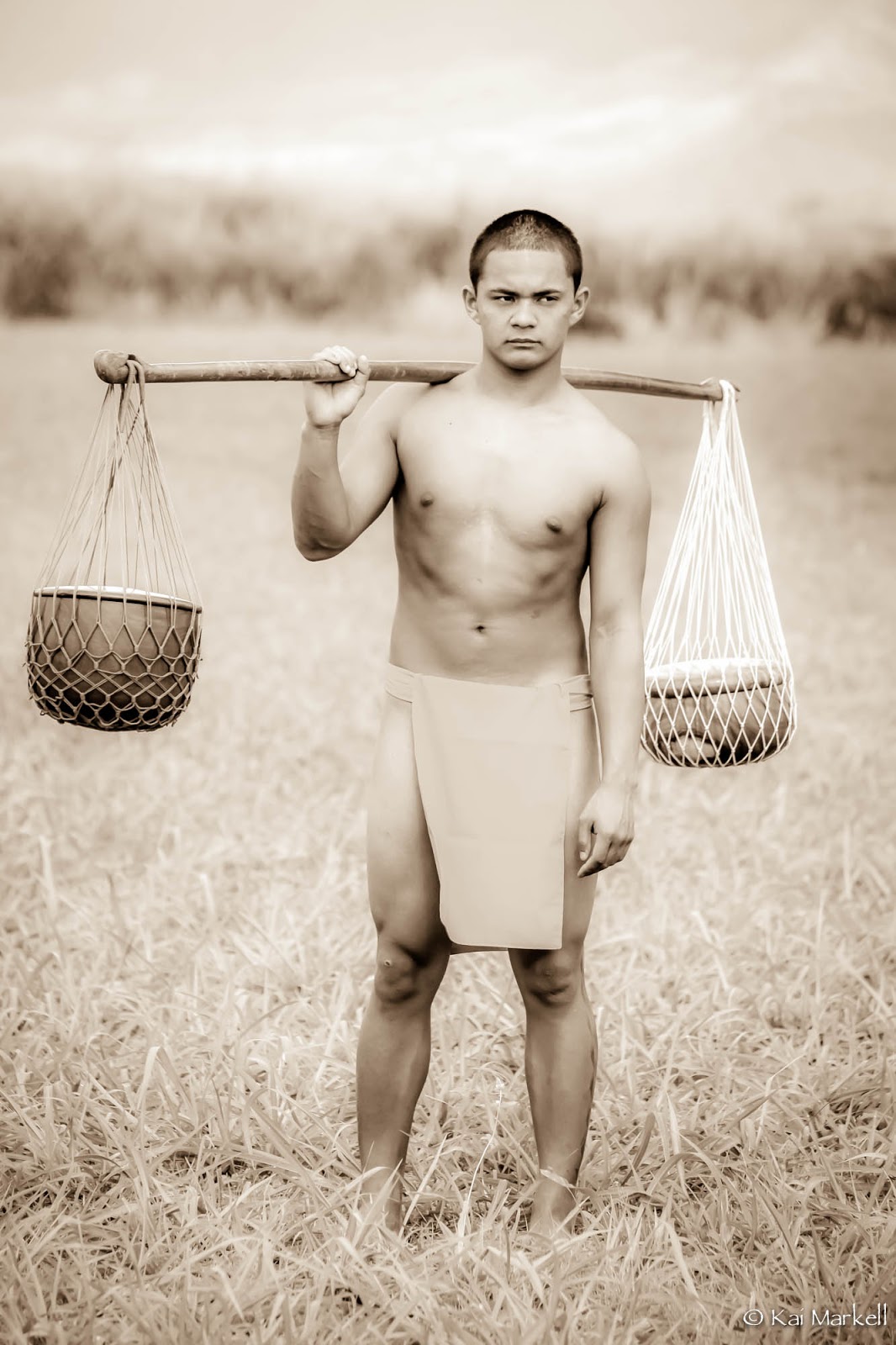
A is for ‘Amo is for the first “A” in ALOHA because it means to carry a burden on the shoulders. This word reminds us of the heavy weight of responsibility we have to ‘aloha kekahi i ke kekahi’. This responsibility stems from a heart filled with aloha with compassion for all things but especially those who are poor and oppressed in life. The ‘auamo is the pole used to rest on the shoulders that carries the burden tied to both ends. The burdens are balanced which reminds us that not only do we have the responsibility to ‘bear one another’s burdens’ but our kuleana includes malama and aloha ‘to care for the land, the ‘aina, wai, and kai’.
L is for Li’a Li’a is defined as a strong desire, or yearning as in the yearning for peace and justice. This yearning for peace and justice is what makes ALOHA more than just a sentimental warm feeling inside. It is the honest truth that needs to find expression in the actions and not just thoughts about ALOHA. ALOHA in its most perfect form is the reality of peace and justice. When there is peace and justice ALOHA becomes a yearning for peace and justice. This yearning is echoed in the timeless words of ‘Ua mau ke ea o ka ‘aina i ka pono!’